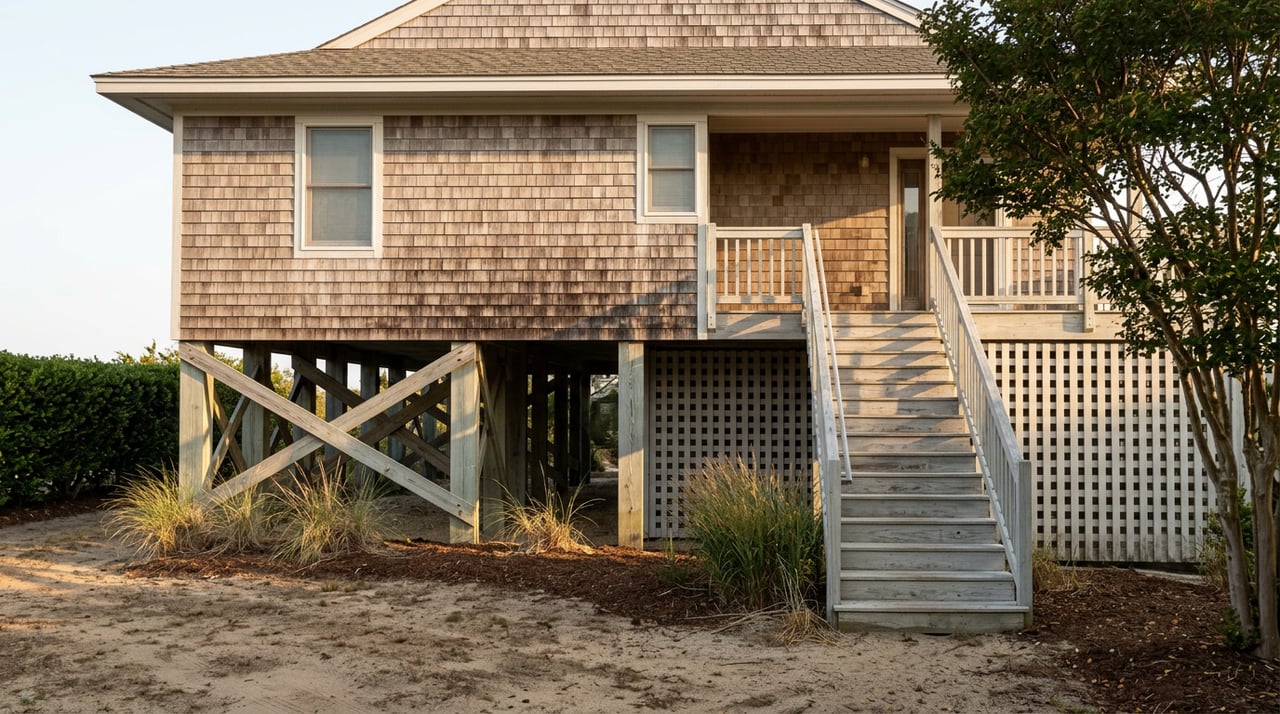
Are you trying to figure out how much cash you actually need to close on a Hampton Bays home or in one of the surrounding neighborhoods such as Westhampton Beach or Quogue? You’re not alone. Between lender fees, title premiums, taxes, insurance, and escrow deposits, the numbers add up fast. This guide breaks down typical buyer closing costs in Hampton Bays so you can plan with confidence, avoid surprises, and make smart decisions. Let’s dive in.
What buyers typically pay in Hampton Bays
Most buyers budget closing costs at about 2% to 5% of the purchase price, excluding your down payment. Your total depends on your loan type, whether you buy points, local title practices, insurance needs, and if the New York mansion tax applies.
Your lender must give you a Loan Estimate after you apply and a Closing Disclosure at least three business days before you close. These documents show your itemized cash-to-close. You can learn how they work from the Consumer Financial Protection Bureau’s guides on the Loan Estimate and the Closing Disclosure.
Line-by-line closing costs
Mortgage-related fees
- Loan origination or processing: commonly 0.25% to 1.0% of the loan amount. Some lenders use flat fees.
- Discount points: optional. One point equals 1% of the loan amount to lower your rate.
- Appraisal: typically $500 to $1,500 or more. Coastal or complex properties may cost more.
- Credit report: about $25 to $75.
- Underwriting and document preparation: often $200 to $800 combined.
Title, title insurance, settlement, and recording
- Title search, exam, and settlement: often $300 to $1,000 depending on complexity.
- Title insurance: lenders require a lender’s policy. An owner’s policy is optional but common; premiums scale with price and can be several thousand dollars or more at Hamptons price points. Local custom varies on who pays the owner’s policy.
- Recording fees: typically a few hundred dollars to record the deed and mortgage with the Suffolk County Clerk. For current procedures, consult the Suffolk County Clerk’s recording resources.
Taxes and mandated fees
- New York State mansion tax: 1% of the purchase price on residential purchases of $1,000,000 or more. This is usually paid by the buyer unless negotiated otherwise. See the New York State Department of Taxation and Finance’s mansion tax overview and confirm details with your attorney.
- State real estate transfer tax: New York State imposes a conveyance tax. Confirm the current rate and who pays it in your contract with your attorney or title company.
- Local surcharges: Practices can vary. Your title company will confirm any county or town charges at the time of closing.
- CPF Tax (Peconic Bay Region Community Preservation Fund Tax): This is a one time tax that applies to the Town of Southampton, East Hampton, Shelter Island, Southold and Riverhead. Each township's tax varies. The revenue from this transfer tax is distributed to the townships where the transaction occurs and is used to acquire land, development rights, and other property interests for conservation purposes. For the Town of Southampton, of which towns such as Hampton Bays are located, a 2.5% tax is applied. For qualifying transactions of $2,000,000 or less, the first $100,000 of a vacant, unimproved residential parcel and the first $400,000 of an improved residential parcel are exempt from this tax. There is also a first-time homebuyer exemption.
Insurance and coastal coverage
- Homeowners insurance: annual premium varies widely. Coastal proximity can increase costs. Get quotes early.
- Flood insurance: required by lenders for homes in FEMA Special Flood Hazard Areas. Review property risk using the FEMA Flood Map Service Center and compare options through the National Flood Insurance Program’s consumer site.
- Wind or hurricane endorsements: many coastal policies have separate wind or hurricane deductibles. Ask your insurance broker for details.
- Escrow: lenders often require you to pay the first year of home insurance at closing and fund an escrow account for renewals.
Prepaid items and escrow reserves
- Prepaid mortgage interest: interest from your closing date to month end.
- Property tax adjustments: you may reimburse the seller for any taxes they prepaid that cover days after closing.
- Initial escrow deposits: many lenders collect 2 to 6 months of taxes and insurance to start your escrow account.
- HOA or condo fees: prorated dues and any application or transfer fees may apply.
Inspections and local property conditions
- Home inspection: about $300 to $1,000 or more depending on size and age.
- Pest or termite inspection: about $75 to $300.
- Well water testing and well inspection: often $100 to $400 for testing if the home is on a private well.
- Septic inspection: many properties in the area use cesspool/septic systems. Inspections and potential upgrades can be significant. Explore guidance from the Suffolk County Department of Health Services.
- Survey: $500 to $2,000 or more for a boundary survey. Your lender or attorney may recommend it.
- Elevation certificate: sometimes needed for flood insurance pricing and discounts. There may be an added cost to obtain one.
Attorney and transaction fees
- Real estate attorney: New York buyers and sellers usually hire attorneys. Buyer fees often range from $500 to $2,000 or more, depending on complexity.
- Real estate commission: typically paid by the seller out of closing proceeds, unless your contract says otherwise.
Hampton Bays specifics to factor in
Septic and groundwater
Hampton Bays sits within the Town of Southampton, and many homes use septic systems. Suffolk County and regional programs continue to address water quality and septic upgrades. You should obtain any recent septic inspection or maintenance records and consult your attorney and inspector about system condition and potential upgrade needs.
Flood and coastal risk
Some Hampton Bays neighborhoods are low-lying or near the water. If a property is in a FEMA Special Flood Hazard Area, your lender will require flood insurance. Check a property’s flood zone and base flood elevation on the FEMA Flood Map Service Center and review local floodplain resources from the Town of Southampton. Factor insurance premiums and any elevation certificate costs into your budget.
Property taxes and school taxes
Municipal and school taxes are a major part of ownership costs across the Hamptons. Ask for recent tax bills and verify the current assessed value. Your lender may require several months of tax escrow at closing.
Local customs on who pays what
In many New York transactions, sellers cover broker commissions and some transfer-related items, while buyers typically pay lender fees and title insurance. In some Long Island and Hamptons deals, buyers often pay the owner’s title policy, but this is negotiable. Confirm local practice with your attorney and title company for your specific contract.
How to estimate your cash to close
Use this simple formula to build your budget:
- Cash to close = Down payment + Closing costs + Prepaids + Initial escrow deposit − Any seller credits
Closing costs include lender fees, title, recording, attorney, inspections, transfer taxes, and the mansion tax if your price is $1,000,000 or more.
Sample scenarios
Below are illustrative examples to show how costs scale. Your actual numbers will vary based on your lender, insurance, contract, and property.
-
Example 1: $850,000 single-family home, non-waterfront
- Down payment 20%: $170,000
- Estimated closing costs at about 3%: $25,500
- Prepaids: $3,000
- Initial escrow deposit: $5,000
- Approximate cash to close: $203,500
-
Example 2: $1,250,000 purchase where mansion tax applies
- Down payment 20%: $250,000
- NYS mansion tax 1%: $12,500
- Estimated closing costs at about 3% excluding mansion tax: $37,500
- Prepaids and escrow: $6,000
- Approximate cash to close: $306,000
-
Example 3: $3,000,000 higher-end coastal purchase
- Down payment 25%: $750,000
- NYS mansion tax 1%: $30,000
- Closing costs assume 3.5%: $105,000
- Prepaids and escrow: $15,000
- Approximate cash to close: $900,000
Tip: These examples exclude points, any seller credits, and final tax prorations. Always rely on your lender’s Loan Estimate and Closing Disclosure for exact figures.
Ways to manage or reduce costs
- Compare lenders. Ask about origination fees, points, and potential lender credits.
- Negotiate seller concessions. Your contract can allow the seller to contribute toward buyer closing costs.
- Confirm title insurance practice. If you are paying for an owner’s policy, ask your title company about any available discounts.
- Get insurance quotes early. Homeowners and flood premiums affect both monthly costs and your escrow deposits.
- Time your closing date. Closing later in the month can reduce prepaid interest.
- Plan healthy reserves. Aim to keep 3 to 6 months of mortgage payments as a cushion for repairs and seasonal risks.
Where to get accurate local numbers
- Lender: Request a formal Loan Estimate and discuss escrow requirements and timing for the Closing Disclosure. Review CFPB guidance on the Loan Estimate and Closing Disclosure.
- Title company: Ask for a title insurance premium quote and estimated recording charges. See the Suffolk County Clerk for recording procedures.
- Attorney: Confirm who pays which items in your contract and review mansion tax and transfer tax obligations. You can reference the state’s mansion tax overview.
- Insurance broker: Get homeowners and flood quotes. Use the FEMA Flood Map Service Center and the NFIP’s consumer site for context.
- Health and environmental: For septic and well guidance, consult the Suffolk County Department of Health Services.
Buying in Hampton Bays should feel exciting, not uncertain. With the right plan and local guidance, you can control what you pay and close with confidence. If you want a clear, step-by-step path tailored to your goals, reach out to Stoebe & Co. for local guidance and concierge-level service.
FAQs
What is the NYS mansion tax for Hampton Bays buyers?
- New York assesses a 1% tax on residential purchases of $1,000,000 or more, typically paid by the buyer unless your contract allocates it differently. Confirm details with your attorney and review the state’s mansion tax overview.
Do Hampton Bays homes require flood insurance?
- You must carry flood insurance if your home lies in a FEMA Special Flood Hazard Area and you have a mortgage. Check a property’s flood zone on the FEMA Flood Map Service Center and get quotes from an insurance broker.
Who usually pays the owner’s title insurance policy in Southampton Town deals?
- Local practice varies. In many New York transactions, buyers pay for the owner’s policy, but it is negotiable. Confirm your contract terms with your attorney and title company.
How much should I keep in reserves after closing on a Hamptons home?
- A practical target is 3 to 6 months of mortgage payments plus a repair fund, especially for coastal homes that may face storm-related maintenance.
When will I receive my final Closing Disclosure in New York?
- If you have a mortgage, your lender must give you the Closing Disclosure at least three business days before closing, per CFPB rules.
Are septic or well inspections required in Suffolk County?
- Requirements depend on the property and local health code, but inspections and water testing are strongly recommended. Consult the Suffolk County Department of Health Services for guidance.