
May 28, 2026
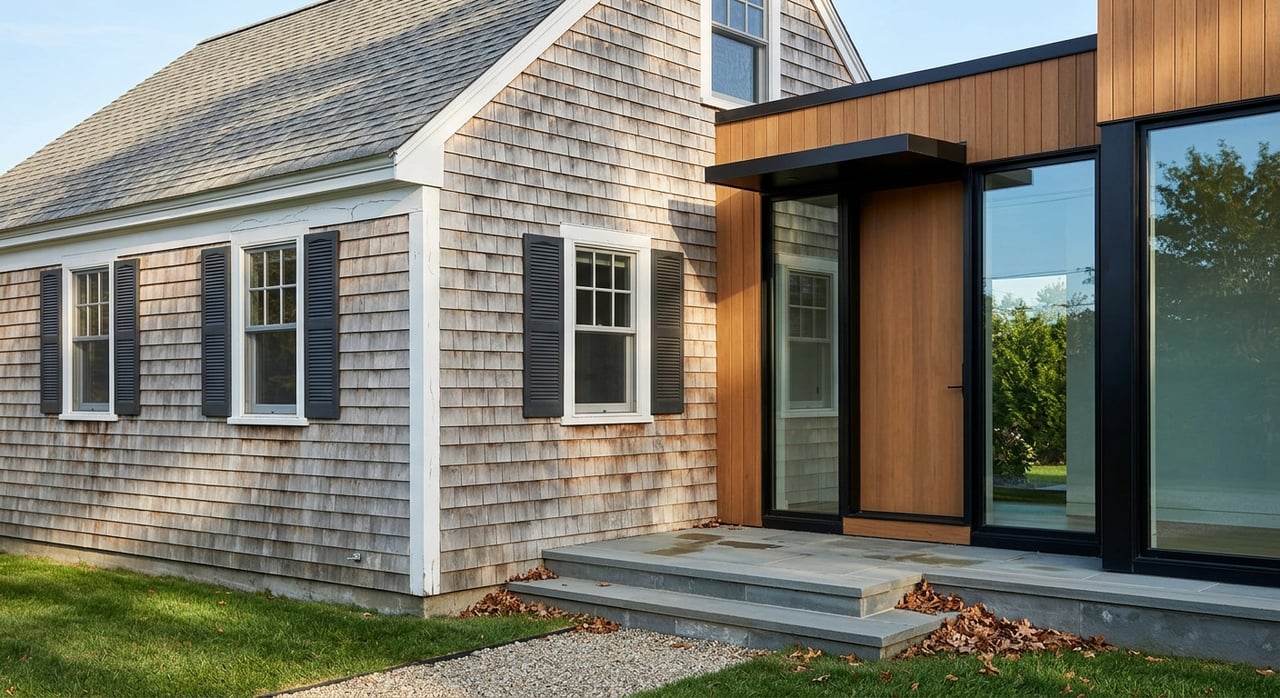
Wondering whether a turnkey home or a historic property is the better fit in Quogue? In a village where architecture, setting, and scarcity all shape value, that choice can affect far more than style alone. If you are weighing immediate ease against long-term character, this guide will help you compare the real tradeoffs so you can move forward with more clarity. Let’s dive in.
Quogue is a luxury market with relatively limited inventory, which can make every decision feel higher stakes. As of late May 2026, Realtor.com reported a median listing home price of about $4.75 million, median days on market of 109, and 35 active listings.
In that environment, a home’s condition can directly affect your timeline, your renovation budget, and your carrying costs. A property that is ready for immediate use may save you months of planning, while an older home may offer character that is difficult to replicate.
Quogue’s historic setting is a big part of the village’s identity. The village historic district was established with more than 250 contributing structures, and the National Register nomination notes that about 200 resources survive in the district.
Most of those resources are houses and accessory structures, with construction dates ranging from the mid-18th century through the mid-1930s. The district reflects Quogue’s evolution from an early agricultural community into a nineteenth-century seasonal resort community.
For you as a buyer, that means a historic home in Quogue is not just an old house. It is often part of a broader architectural and village context that contributes to the feeling of place.
Historic homes often appeal to buyers who value architectural detail, mature landscaping, and a stronger connection to Quogue’s older village fabric. If you want a home with a sense of continuity and distinct design features, a historic property may feel more compelling than something newly finished.
In Quogue, historic properties are part of a layered landscape that includes residential, civic, and former resort-era buildings. That can make ownership feel especially meaningful if you appreciate the village’s built history and want a property with a more established identity.
The appeal of an older home usually comes with added due diligence. Maintenance may be more ongoing, upgrades may happen in phases, and renovation planning often requires more careful review before work begins.
If the house was built before 1978, lead-based paint is a key issue to evaluate. The EPA states that homes built before 1978 are more likely to contain lead-based paint, and sellers of most pre-1978 housing must disclose known lead-based paint information before a sale.
If you plan to renovate, that matters even more. The EPA also requires lead-safe work practices for renovation, repair, and painting projects that disturb lead-based paint in pre-1978 homes.
One common concern is whether historic status automatically prevents changes. The National Park Service says that National Register listing does not place federal restrictions on what a non-federal owner may do, and it does not automatically create local historic district zoning or landmark rules.
Quogue’s own historic district map states that the village had not adopted local zoning or other regulations specific to the Quogue Historic District as of the map date. That is helpful context if you are worried that simply buying in the district means a separate layer of historic zoning controls.
That said, local review still matters. Quogue’s building department states that every building permit application involving a structure’s exterior must be reviewed by the Design Review Board, and no permit is issued without approval.
So while the historic district itself is not described as a separate local zoning overlay, exterior changes are still subject to municipal review. If you are considering a historic property, that review process should be part of your planning from the start.
Turnkey homes usually appeal to buyers who want simplicity. If your goal is to close, furnish, and begin using the property without a renovation runway, a move-in-ready home can be the most practical option.
That can be especially attractive in a seasonal village like Quogue. If you are a part-time resident, second-home owner, or buyer managing the property from a distance, avoiding immediate construction decisions may be worth a premium.
Turnkey homes also offer more predictability in the first stage of ownership. You may still personalize the property over time, but you are less likely to face urgent repairs or major project scheduling right after closing.
The biggest tradeoff with turnkey property is usually cost. In Quogue’s luxury market, the convenience of a newer or fully renovated home is often reflected in the asking price.
That does not always mean the total cost of ownership is lower. Instead, it often means you are paying more upfront for speed, ease, and fewer immediate unknowns.
It is also important not to assume turnkey means issue-free. Even a move-in-ready home can still raise questions about permits, exterior changes, and flood-zone status.
Whether you buy historic or turnkey, Quogue’s local review process remains relevant. If you later plan exterior work, the Design Review Board review process can still apply.
Flood-risk review is also part of smart due diligence in Quogue. The village code incorporates FEMA flood-hazard and flood-insurance mapping, so you should confirm whether a property is located in a Special Flood Hazard Area.
FEMA states that Special Flood Hazard Areas are where floodplain management rules apply and where mandatory flood insurance purchase rules apply for federally backed loans. In a coastal market, that can have a real impact on ownership costs and planning.
Here is a simple way to think about the difference:
| Home type | Often best for | Main benefit | Main tradeoff |
|---|---|---|---|
| Historic home | Buyers who value character and village context | Architectural authenticity and established setting | More maintenance and renovation due diligence |
| Turnkey home | Buyers who prioritize speed and simplicity | Faster occupancy and fewer immediate projects | Higher upfront pricing for convenience |
Neither option is inherently better. In Quogue, the right fit usually depends on how you want to live, how quickly you want to occupy the home, and how comfortable you are managing updates over time.
If you are drawn to authenticity, craftsmanship, and the feel of an established property, a historic home may be the better match. This path often suits buyers who are comfortable budgeting for maintenance and approaching upgrades in phases.
If you value predictability and want to enjoy the property right away, a turnkey home may align better with your lifestyle. That can be especially useful if you live elsewhere for part of the year or prefer a more streamlined ownership experience.
In Quogue, this choice is less about right versus wrong and more about the type of ownership experience you want. Some buyers want to steward a piece of the village’s architectural story, while others want a home that is ready from day one.
Before you choose either property type, focus on the issues most likely to affect actual ownership cost and timing:
These steps can help you compare homes based on real-world use, not just appearance. In a market like Quogue, that kind of clarity is valuable.
If you are comparing turnkey and historic options in Quogue, the best decision usually comes down to how you balance time, lifestyle, and stewardship. A thoughtful purchase starts with understanding the property itself, the village review process, and the true path to ownership after closing. For tailored guidance on Quogue and the surrounding Hamptons market, connect with Stoebe & Co..

Stoebe & Co. Real Estate is a premier, independently owned brokerage located in the prestigious Village of Westhampton Beach. With over $1 billion in sales, the firm has established itself as a leader across the primary, luxury, ultra-luxury, rental, and commercial markets. Our growth is the result of a deliberate approach to real estate — one defined by clarity, precision, and purpose.
October 22, 2026
October 15, 2026
October 8, 2026
October 8, 2026
October 8, 2026
October 1, 2026
September 17, 2026
September 17, 2026

September 10, 2026