
March 24, 2026
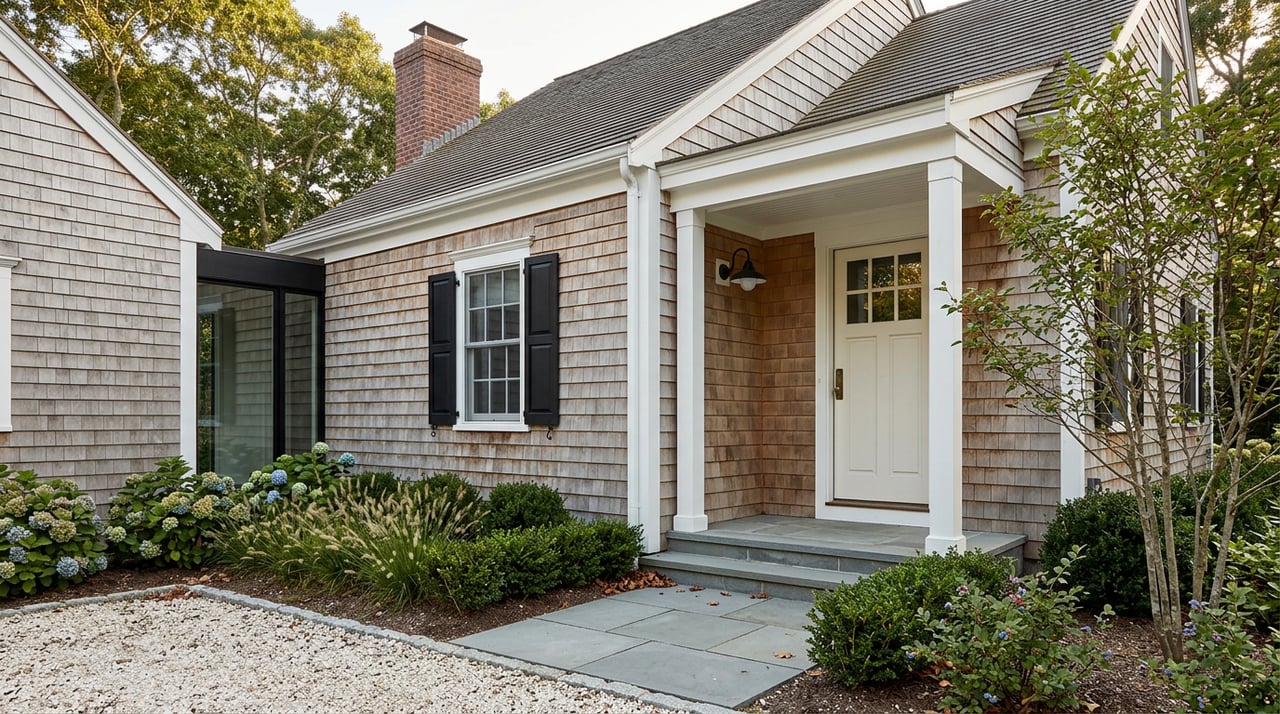
You can feel Quogue’s story in its cedar shingles, wraparound porches, and quiet lanes. Maybe you’re drawn to the character of an older home, or you want the design clarity of a classic shingle‑style cottage with today’s comforts. Either way, understanding the village’s architecture helps you buy with confidence and plan smart improvements. This guide shows you what to look for, how Quogue’s history shaped its homes, and the practical steps to care for or renovate a historic property. Let’s dive in.
Quogue sits on Long Island’s South Fork within the Town of Southampton and maintains its own village government and building department. The heart of the village is recognized as the Quogue Historic District, listed on the National Register of Historic Places in 2016. According to the National Register nomination, the district includes roughly 248 contributing private buildings that date from the late 18th through the early 20th century. You can review the detailed inventory and architectural descriptions in the official National Register nomination.
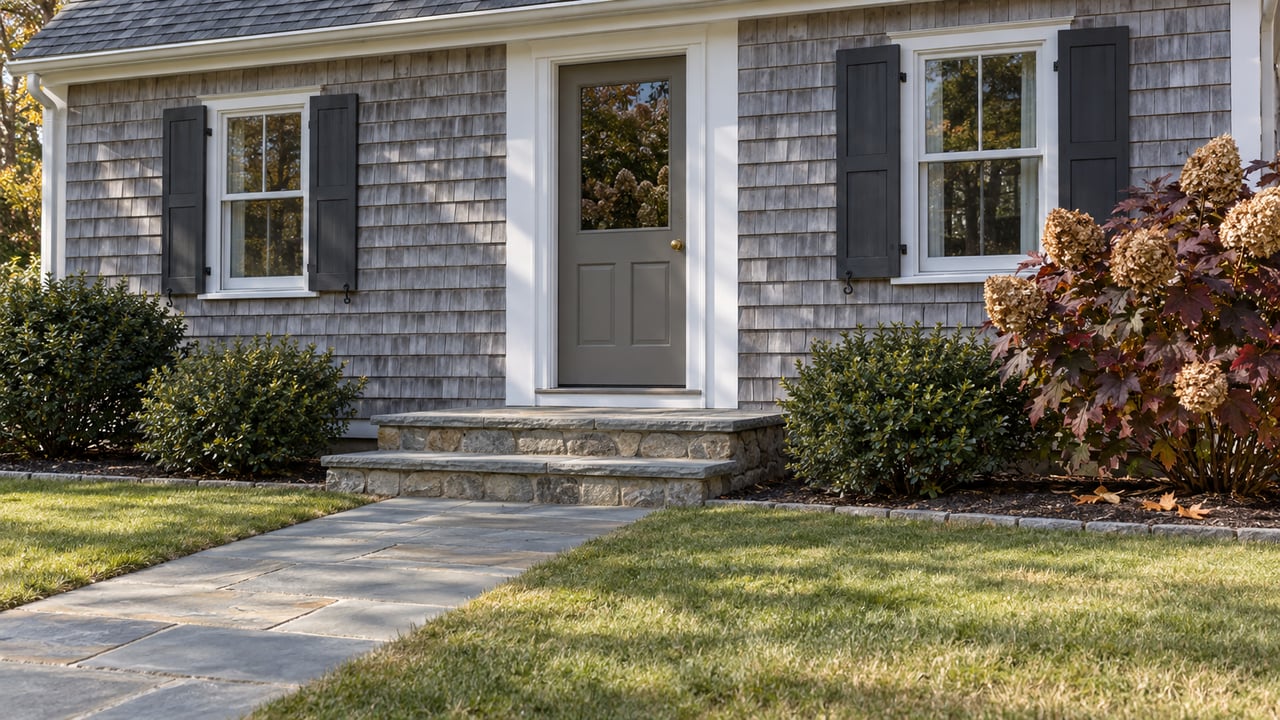
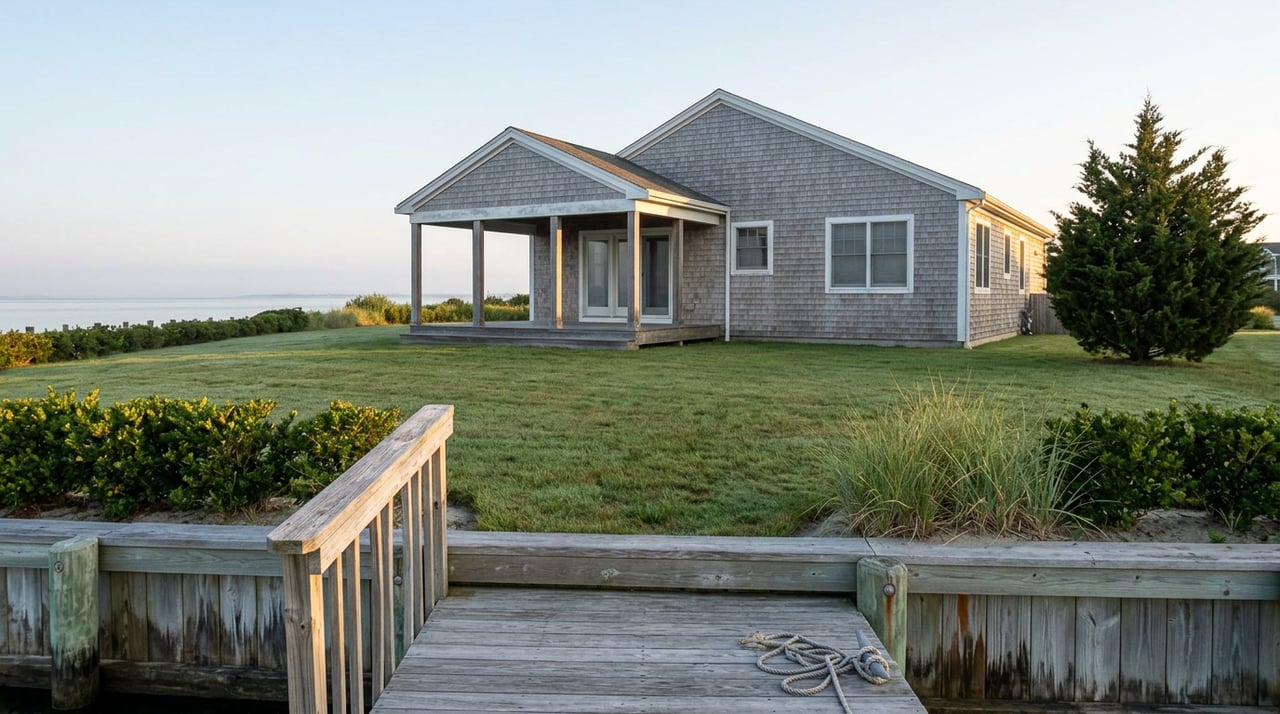
This is the signature Quogue look. You’ll see continuous wood‑shingle cladding that flows over walls and roofs, asymmetrical massing, gambrel or complex gables, and generous porches. Many homes include sleeping porches, towers or bays, and multi‑pane sash patterns. These houses were designed for sea breezes, views, and relaxed summer living.
Colonial Revival homes in Quogue often blend classic symmetry with shingle cladding. Look for columned or subsumed porches, Palladian or multi‑pane windows, and gambrel roofs on smaller cottage variants. The overall effect is more formal composition paired with coastal materials.
Some late 19th‑century houses carry Queen Anne influences. Expect asymmetry, projecting bays, towers or turrets, and textured rooflines with decorative trim. Many of these homes also integrate shingles, which softens the ornament and ties the style to the local setting.
Early 20th‑century bungalows show lower profiles and simple, efficient floor plans. Common features include exposed rafter tails or bracketed eaves and porches with stone or brick piers. These homes fit neatly on village lots and make practical, character‑rich year‑round or seasonal residences.
Quogue’s agricultural roots still show. Vernacular farmhouses and American Four‑squares feature straightforward forms, gabled or hipped roofs, and center‑entry plans. Many received shingle siding over time, which visually unites them with resort‑era neighbors.
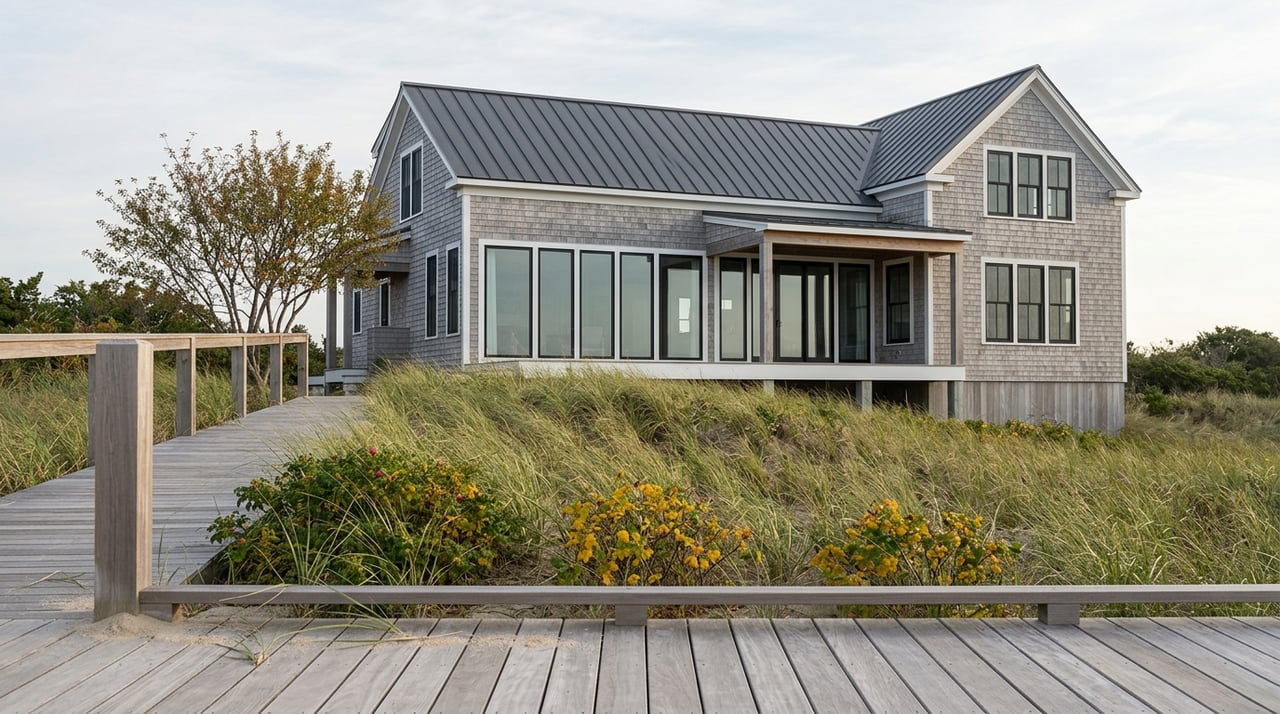
Along Dune Road and bayside canals, you’ll find larger contemporary homes and reimagined estates. Some are Shingle‑style revivals with modern plans. Others embrace glass, steel, and wide spans for indoor‑outdoor living. These properties are engineered for coastal conditions and often bring specialized permitting and design requirements.
Quogue evolved from a small agricultural hamlet to a sought‑after seaside resort after the railroad’s arrival in the 1870s. That shift sparked a building boom in the late 19th and early 20th centuries, when the village’s iconic shingle‑style summer cottages took shape. Many were intentionally designed for seasonal use with porches, sleeping decks, and simple interior finishes. For a vivid look at this era, explore the Quogue Historical Society’s feature on the village’s turn‑of‑the‑century summer cottages.
The result today is a cohesive streetscape where repeated house types and details create a clear sense of place. That architectural rhythm is part of what makes owning here feel both timeless and distinct.
The National Register listing honors Quogue’s architectural importance and can unlock certain incentives. It does not, by itself, prevent demolition or control exterior changes by private owners. Binding design controls only come from local laws and boards. The nomination itself explains this distinction; you can reference it in the National Register documentation.
Most exterior work in Quogue requires a building permit. The Village’s Design Review Board (DRB) reviews exterior design compatibility as part of the permit process. Expect to provide drawings, site plans, and material samples, with a typical review timeline of a few weeks for complete applications. The Village permit packet outlines documentation, referrals, and process steps, including septic, wetlands, and coastal requirements. Start by reading the Village of Quogue building permit and DRB guidance.
Oceanfront and dune‑area properties are subject to New York’s Coastal Erosion Hazard Area rules. In Quogue, the Village and the New York State Department of Environmental Conservation have clarified local procedures for coastal development reviews. Large reconstructions in primary dune areas may be constrained or require dune restoration and added engineering. Local reporting has covered how CEHA enforcement applies in Quogue; see the Village and DEC accord on coastal regulations for context. Engage a coastal engineer early if your property is near the dunes or wetlands.
Parts of Quogue fall within FEMA flood zones. Before you buy or plan a renovation, check the official map for the property address and secure an elevation certificate if needed for insurance or financing. Start with the FEMA Flood Map Service Center to confirm the current panel and zone.
Many older homes rely on on‑site wastewater systems. If you add bedrooms or expand, you may trigger Suffolk County Board of Health review and be required to install an Innovative or Alternative Onsite Wastewater Treatment System. Budget time for permitting, soil and setback constraints, and possible maintenance agreements. For technical background and county program context, review Suffolk County’s I/A OWTS materials, and see the Village permit packet for how BOH approvals integrate with your application.
Cedar shingles are a defining material in Quogue. When repair or replacement is needed, details like shingle profile, coursing, and installation method help preserve the home’s character. For best practices, consult the National Park Service’s guide to wood shingle roofs. Historic windows and porches also contribute to a home’s identity. Repair is often feasible and preferred. The technical guidance in Preservation Brief 9 on historic wood windows explains how to evaluate and upgrade performance while retaining original sash and muntins.
Many houses built before 1978 may have lead‑based paint. If you plan renovations that disturb painted surfaces, hire contractors certified under the EPA’s Renovation, Repair and Painting (RRP) rule. You can learn more about firm certification and safe practices from the EPA’s RRP program overview. Also plan for electrical, plumbing, insulation, and HVAC upgrades that respect historic interiors.
Owners of certified historic properties used for income production may be eligible for the federal 20 percent rehabilitation tax credit. New York State also offers commercial and homeowner credit programs under specific rules and geographic eligibility. Confirm program details and pre‑approval requirements with the State Historic Preservation Office before you plan to use credits to finance work. Start at the New York State OPRHP’s preservation assistance and tax credit guide.
Use this quick plan to evaluate a historic Quogue home with clarity.
A well‑preserved Quogue home delivers both design character and long‑term appeal. Shingle‑style massing, original window patterns, and intact porches tend to photograph beautifully and live comfortably at the shore. When paired with careful system upgrades and the right approvals, you can enjoy classic architecture with modern performance. For oceanfront and canal‑front estates, engineering and permitting add complexity, but the result can be a resilient, high‑amenity property that fits its coastal setting.
If you value architecture and want a home that feels rooted in place, Quogue offers a rare mix. With the right guidance, you can buy, restore, or build in a way that protects your investment and the village’s character.
Ready to tour Quogue’s historic cottages or evaluate a project on Dune Road? Our boutique team helps you navigate listings, due diligence, and seasonal or long‑term plans with polished marketing and concierge support. Reach out to Stoebe & Co. to start a tailored conversation.

Stoebe & Co. Real Estate is a premier, independently owned brokerage located in the prestigious Village of Westhampton Beach. With over $1 billion in sales, the firm has established itself as a leader across the primary, luxury, ultra-luxury, rental, and commercial markets. Our growth is the result of a deliberate approach to real estate — one defined by clarity, precision, and purpose.
October 22, 2026
October 15, 2026
October 8, 2026
October 8, 2026
October 8, 2026
October 1, 2026
September 17, 2026
September 17, 2026

September 10, 2026