
April 2, 2026
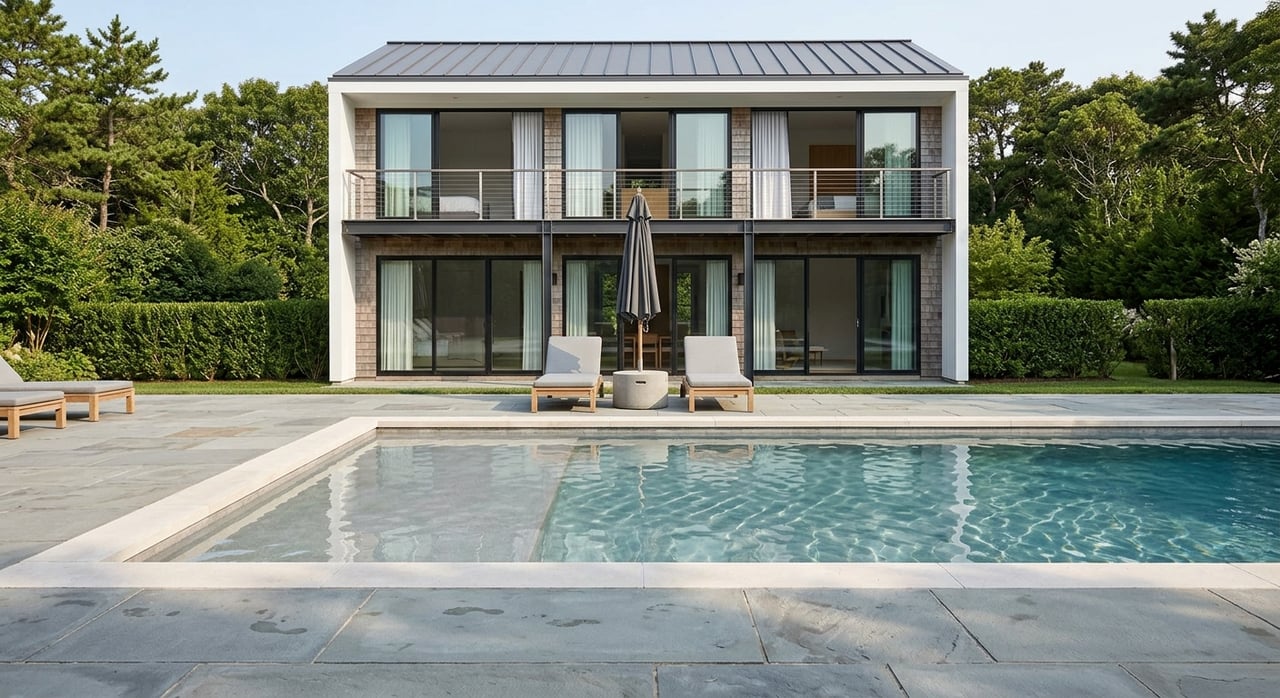
If you own a home in Quogue, summer rental income can look appealing, but a strong result rarely comes from simply posting a listing and hoping for the best. In Quogue, your strategy needs to match the village’s rental rules, the seasonal timeline, and the expectations of a luxury renter who values privacy, condition, and ease. When you plan ahead, you can protect your property, stay compliant, and position your home for the right kind of demand. Let’s dive in.
A summer rental strategy for Quogue begins with the local code, not with pricing. Under the village rules, a one-family dwelling cannot be used as a rental without a Village of Quogue rental license, and leases of fewer than 14 consecutive days are prohibited, according to the Village rental code.
That minimum stay matters more than many owners realize. Quogue’s code also creates a rebuttable presumption that a property is a transient rental if it is advertised without stating a minimum term of at least 14 consecutive days, or if it is offered for less than 14 days, as outlined in the general provisions of the code. In plain terms, your listing language should clearly reflect the village rules from the start.
The code also sets practical limits on how you can rent the property. The entire dwelling must be rented, not just part of it, occupancy is limited to a family and to no more than two people per conventional bedroom, and overnight parking is limited to one vehicle per bedroom plus one additional vehicle under the same village regulations.
Your ideal rental schedule has to fit inside Quogue’s caps. The current village application states that a dwelling may not be rented more than six times in a calendar year, with no more than four rentals during the summer season from Memorial Day through Labor Day, based on the 2025 rental application and checklist.
That means your summer plan is not just about filling dates. It is about using a limited number of rental windows wisely so you can balance income, personal use, and property wear.
If you are considering a seasonal-use structure, there is another important framework to know. The village’s seasonal use dwelling unit addendum, tied to New York General Obligations Law Section 7-108, requires the lease to state that the unit is registered as seasonal use, that occupancy is seasonal and does not exceed 120 days, and that the tenant maintains a primary residence elsewhere, as described in the official rental checklist.
Most Quogue owners fit into one of three summer rental approaches. The best option depends on how much personal use you want, how much operational work you are comfortable with, and how important simplicity is to you.
If your goal is a cleaner, lower-turnover summer, one continuous lease of roughly two to three months can be a strong fit. This approach can align with the 120-day seasonal-use framework when the lease and registration are structured correctly, based on the village application materials.
A longer lease often reduces friction. You have fewer check-ins, fewer cleaning cycles, fewer permit updates, and less administrative handling during the season.
If you want to keep some prime summer weeks for your own family or guests, two or three rentals around those dates may work well. This gives you more flexibility, but it also creates more turnover and more coordination.
Each rental still has to fit within Quogue’s limits on annual rental count, summer rental count, occupancy, and tenant documentation, as required by the village code. For many owners, this path works best when the calendar is mapped early and managed carefully.
If your focus is purely income, the current rules allow up to four summer rentals and six total rentals per year, according to the village regulations. On paper, that can create more revenue opportunities.
In practice, each turnover adds cleaning, paperwork, approvals, and beach permit coordination. More rental periods can mean more gross income, but they also bring more operational pressure and more wear on the home.
Quogue has a distinct rental character. The village has stated that summer brings seasonal residents, extended families, friends, and visitors, and local materials describe Quogue as a quiet, family-oriented village with a rich architectural and cultural heritage, as referenced in the state environmental notice and village documents.
That context should shape how you present your home. In Quogue, the strongest positioning is usually built around privacy, condition, comfort, and a calm village setting, not party-oriented language or high-turnover energy.
Current listings in Quogue show that renters respond to resort-style amenities. Asking rents currently range widely, and listings often highlight features such as heated pools, outdoor showers, beach access, docks, tennis, kayaks, hot tubs, and strong indoor-outdoor living, according to the current Quogue rental market snapshot and an example Quogue luxury listing.
The takeaway is simple: emphasize the features your property truly offers. If you have a heated pool, polished outdoor dining space, a dock, or easy beach access, those details deserve to lead the story. If your home is especially turnkey, that should be obvious in the photography, copy, and showing experience.
If you want summer occupancy, waiting until late spring can put you behind. The village asks applicants to allow five business days for processing, and tenants may not occupy before approval, according to the rental application checklist.
At the same time, Hamptons rental conditions have remained selective, with turnkey and properly priced homes moving more readily than outdated ones. Based on that environment and the permit timing, a practical strategy is to prepare in late winter or very early spring so your home is market-ready before Memorial Day pressure builds.
Early preparation also gives you more time to make decisions without rushing. You can refine pricing, complete maintenance, gather documents, and align the lease structure with your personal-use calendar.
In Quogue, documentation is part of the strategy. The rental application must be filed before the rental term begins, must be signed by owners and tenants, and must include a fully executed lease, certificate of occupancy, and tenant photo ID for all occupants over 17, according to the official village application packet.
That means a rushed last-minute deal can create avoidable problems. A well-prepared owner should have the lease structure, occupancy details, and property paperwork ready well in advance of the intended start date.
This is also where precision matters in your listing and negotiations. Every occupant needs to be identified correctly, and the lease terms need to align with the village framework you are using.
Beach access is often a major part of summer rental appeal, but it needs to be handled correctly. The village beach permit application states that an approved rental application must already be on file before the beach permit request is accepted, and a seasonal renter must surrender the sticker when the lease ends, according to the 2025 beach permit application.
For you as an owner, this is another reason to think in systems, not just dates. If beach rights are part of the rental value, permit coordination should be built into your timeline from the beginning.
Luxury pricing in Quogue can span a wide range, with current rental inventory showing asking rents from $6,500 per month to more than $140,000 per month, according to current Quogue rental listings. That range reflects major differences in location, size, design, condition, and amenities.
In a selective market, pricing is not about chasing the highest theoretical number. It is about matching your home’s finish level, amenity package, and seasonal timing to what renters are actively choosing.
Proper pricing also supports compliance and efficiency. A well-positioned home that is turnkey and accurately priced is more likely to attract serious tenants early, which can reduce last-minute negotiation pressure and shorten your planning window.
Quogue’s rental process is detailed enough that professional oversight can make a meaningful difference. The application includes a realtor acknowledgment if a broker is involved, requires detailed tenant information and IDs, and authorizes compliance inspections through the village’s process, as shown in the rental application materials.
For a privacy-conscious owner, that structure makes centralized handling especially valuable. Professional representation can help coordinate showings, leasing paperwork, permit timing, and occupancy details in a more controlled way.
That matters even more if you are not in Quogue full time. If you are managing a second home, a high-touch brokerage with seasonal rental experience can help you present the property properly and keep the process organized from marketing through move-in.
A smart summer rental strategy should do more than fill a few weeks on the calendar. It should protect your home, respect village requirements, and support the kind of rental experience Quogue is known for. If you want help designing a tailored plan for your Quogue property, connect with Stoebe & Co. for boutique guidance, polished marketing, and hands-on seasonal rental support.

Stoebe & Co. Real Estate is a premier, independently owned brokerage located in the prestigious Village of Westhampton Beach. With over $1 billion in sales, the firm has established itself as a leader across the primary, luxury, ultra-luxury, rental, and commercial markets. Our growth is the result of a deliberate approach to real estate — one defined by clarity, precision, and purpose.
July 23, 2026
July 16, 2026
July 9, 2026
July 2, 2026
June 25, 2026
June 18, 2026
June 11, 2026
June 4, 2026
May 28, 2026