
April 23, 2026
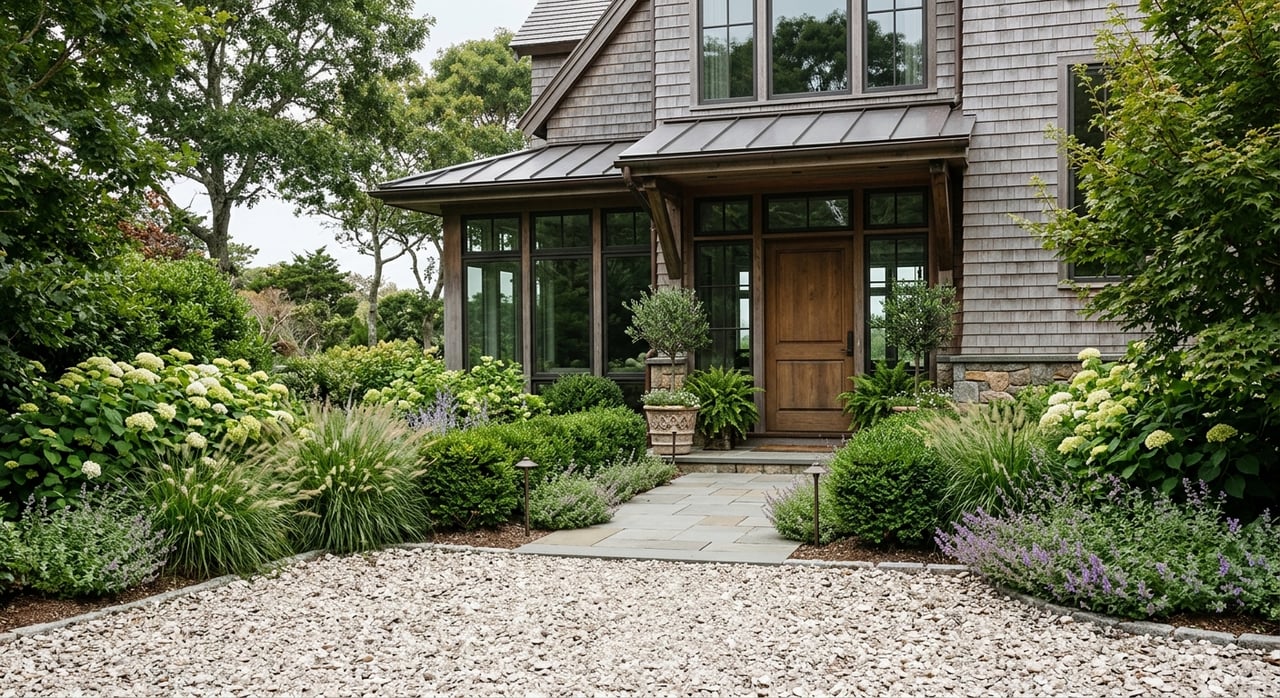
If you are looking at Quogue for its privacy, beach access, and classic Hamptons club culture, it helps to know that this market does not work like a typical neighborhood search. In Quogue, value often comes from a mix of location, village rules, beach permits, and proximity to long-standing private clubs. When you understand how those layers fit together, you can buy with more confidence and fewer surprises. Let’s dive in.
Quogue is a small incorporated village in the Town of Southampton, and its most exclusive housing pockets are shaped less by formal subdivisions and more by beach access, club culture, and historic preservation. According to the village’s historic district documentation, the south side of Quogue Street generally includes larger, more ocean-adjacent seasonal homes along with important club amenities, while the north side tends to include more modest year-round or service-oriented housing.
That distinction matters because Quogue often behaves like a collection of micro-markets instead of one uniform luxury village. A home’s appeal may depend as much on its relationship to the beach, a club, or the historic core as it does on square footage alone.
In Quogue, private clubs are not just recreational extras. They often shape daily routines, summer traditions, and the social rhythm of ownership. For many buyers, that means the right property is the one that fits the lifestyle they want to live, not simply the house with the newest finishes.
This also means you should separate the real estate purchase from the club opportunity. In many cases, a home near a club does not automatically include membership, and buyers should expect club-specific rules, waitlists, and approval processes.
The Quogue Field Club is the clearest example of a club-centered lifestyle in Quogue. Public materials describe it as a member-owned club founded in 1887 with 525 memberships, an extensive waiting list, and a wide amenity mix that includes golf, tennis, platform tennis, pickleball, croquet, fitness space, and an eight-week junior sports camp for children ages 4 to 14, according to the club management profile.
For buyers, the key takeaway is that the Quogue Field Club functions as a major social and operational hub. Its member portal and app-based system suggest a structured, actively managed club environment with its own internal systems for reservations, communication, and account management.
If you want golf and racquet sports to be a core part of your Quogue experience, this is often the benchmark buyers compare everything else against. Homes that make club access feel easy and routine may carry stronger lifestyle appeal for households planning repeat summer use.
Not every Quogue buyer is looking for golf. Some are drawn more to a summer pattern built around the ocean, pool time, and informal family routines near Dune Road.
The Quogue Beach Club presents itself as a family-focused summer club founded in 1919 for members and their families who spend summers in Quogue. The Surf Club of Quogue has a similarly seasonal feel, with public-facing details that highlight pool operations, kitchen specials, and a cafe that closes in the off-season.
Together, these clubs help define Quogue’s beach-first side of the market. If your ideal ownership pattern centers on ocean access and summer social life rather than tee times, homes near the oceanfront corridor may deserve extra attention.
For buyers who prioritize boating over golf or beach club life, the Shinnecock Yacht Club is another important part of the Quogue landscape. The village historic district report notes that the club occupies a maritime structure dating to about 1904 at the east end of Niamogue Lane and traces the club’s origins to 1887.
That history matters because it reinforces how deeply boating culture is woven into Quogue’s identity. For the right buyer, proximity to sailing traditions and marina-oriented routines can be just as important as country club access.
The Quogue Club at Hallock House is worth understanding, but it fills a different role. Its public site emphasizes private beach access, fitness amenities, yoga, massage services, bikes, breakfast, and common gathering areas, all with a boutique hotel and hospitality focus.
That makes it an amenity-rich local asset, but not the same thing as a residential enclave organized around private membership. If you are comparing Quogue lifestyle options, it helps to see Hallock House as hospitality-driven rather than neighborhood-defining.
One of the most important practical issues in Quogue is village beach access. Under the village beach code, summer foot and bicycle access to Quogue Village Beach is limited to residents with personal permits, and motor vehicles must be owned and registered to a village resident and display a parking permit.
The code also notes that permit fees are set by the Board of Trustees, and seasonal rentals need a seasonal rental license before tenant permits can be issued. In simple terms, beach access in Quogue is not casual. It is structured, regulated, and closely tied to residency and village administration.
For buyers, this is one of the clearest examples of why local rules matter as much as location. A house can look close to the beach on a map, but your actual use experience depends on permits and eligibility.
If you are considering an oceanfront property, maintenance responsibilities deserve close review. Quogue’s dune and ocean beach code requires owners to maintain dune vegetation and sand fencing, and it allows the village to complete the work and charge the cost back if an owner does not comply.
The same code also says that oceanfront parcels are subject to a historic public easement for the benefit of inhabitants of the Town of Southampton. That is an important detail for buyers who might assume ocean frontage means total private control of the beach area.
Quogue buyers who plan to renovate should be prepared for an added layer of oversight. The village’s Design Review Board regulations were created to reduce design conflict and protect neighborhood character, compatibility, and property values.
In practice, that means exterior changes may receive more scrutiny than they would in a less regulated market. If your plan includes a major addition, facade change, or design overhaul, it is wise to factor timing and review into your decision from the start.
Long-term value in Quogue is closely tied to scarcity, preservation, and access. The village’s historic district report explains that the area preserves the core of Quogue’s development and reflects its evolution into a predominantly seasonal community with roughly 200 surviving resources.
That supports an important buying principle: the premium in Quogue is often strongest where privacy, beach access, and club culture overlap. Newer construction can be appealing, but in this market, lifestyle alignment and location within the village structure often carry just as much weight.
Public sources do not provide full dues schedules for Quogue’s private clubs. Because of that, buyers should verify club-specific costs and logistics directly before making assumptions.
Your checklist should include:
It also helps to separate civic participation from private club membership. The village describes the Quogue Association as a community-support organization, and its membership is distinct from any private club initiation or annual dues.
Quogue’s private and club-oriented pockets tend to appeal most to buyers who want a repeatable seasonal lifestyle. That often includes multi-generational households, second-home buyers who value structure and predictability, and owners who see the property as both a personal retreat and a long-term asset.
The right fit depends on how you plan to spend your time. If your ideal summer revolves around golf and racquets, one part of Quogue may stand out. If it is beach routines, pool time, or boating culture, another pocket may make more sense.
Buying well in Quogue means looking beyond the house itself and understanding the rules, rhythms, and institutions that shape ownership. When you do that, you can focus on the properties that truly match your goals and avoid expensive mismatches. If you want tailored guidance on Quogue and the surrounding Hamptons villages, Stoebe & Co. offers founder-led insight, high-touch representation, and concierge-minded support throughout your search.

Stoebe & Co. Real Estate is a premier, independently owned brokerage located in the prestigious Village of Westhampton Beach. With over $1 billion in sales, the firm has established itself as a leader across the primary, luxury, ultra-luxury, rental, and commercial markets. Our growth is the result of a deliberate approach to real estate — one defined by clarity, precision, and purpose.
August 20, 2026
August 13, 2026
August 13, 2026
August 13, 2026
August 13, 2026
August 13, 2026
August 6, 2026
August 6, 2026
July 23, 2026